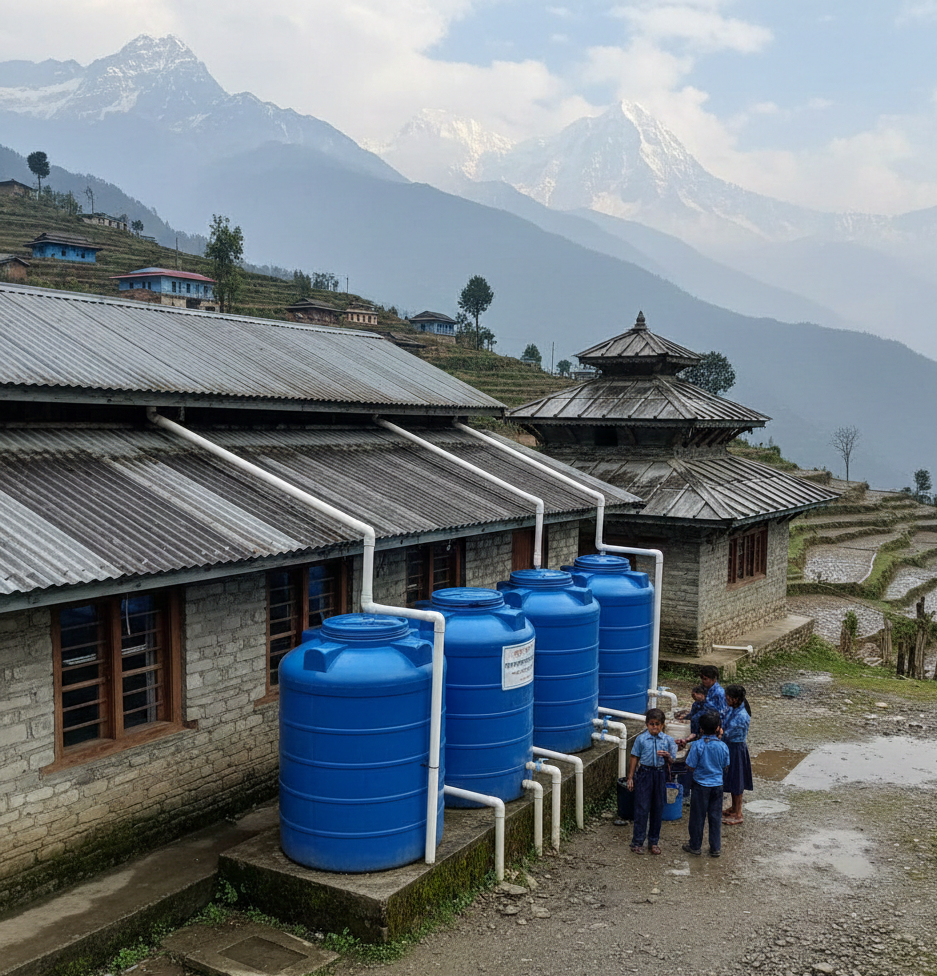
Leading Water Security and Carbon Mitigation in Bagmati
Green Eco Solution (GES) is spearheading the Sustainable Water Management Initiative, a transformative project focused on the Bagmati Rural Municipality, Makwanpur. This high-impact initiative is a cornerstone of the Just Transition in Nepal, proving that integrated water supply and purification are high-value assets for Nepal carbon markets. By utilizing Rainwater Harvesting (RWH) and gravity-fed biosand filters, we are securing climate resilience while delivering verifiable carbon outcomes.
Investment Pillars: A Blueprint for Nepal Carbon Markets
Climate Adaptation through Rainwater Harvesting
We implement efficient Rainwater Harvesting (RWH) systems and storage tanks to enhance climate adaptation and water security.
This infrastructure is paired with smart irrigation utilizing sensors to improve agricultural water-use efficiency and resilience against drought.
Social Equity and a Just Transition
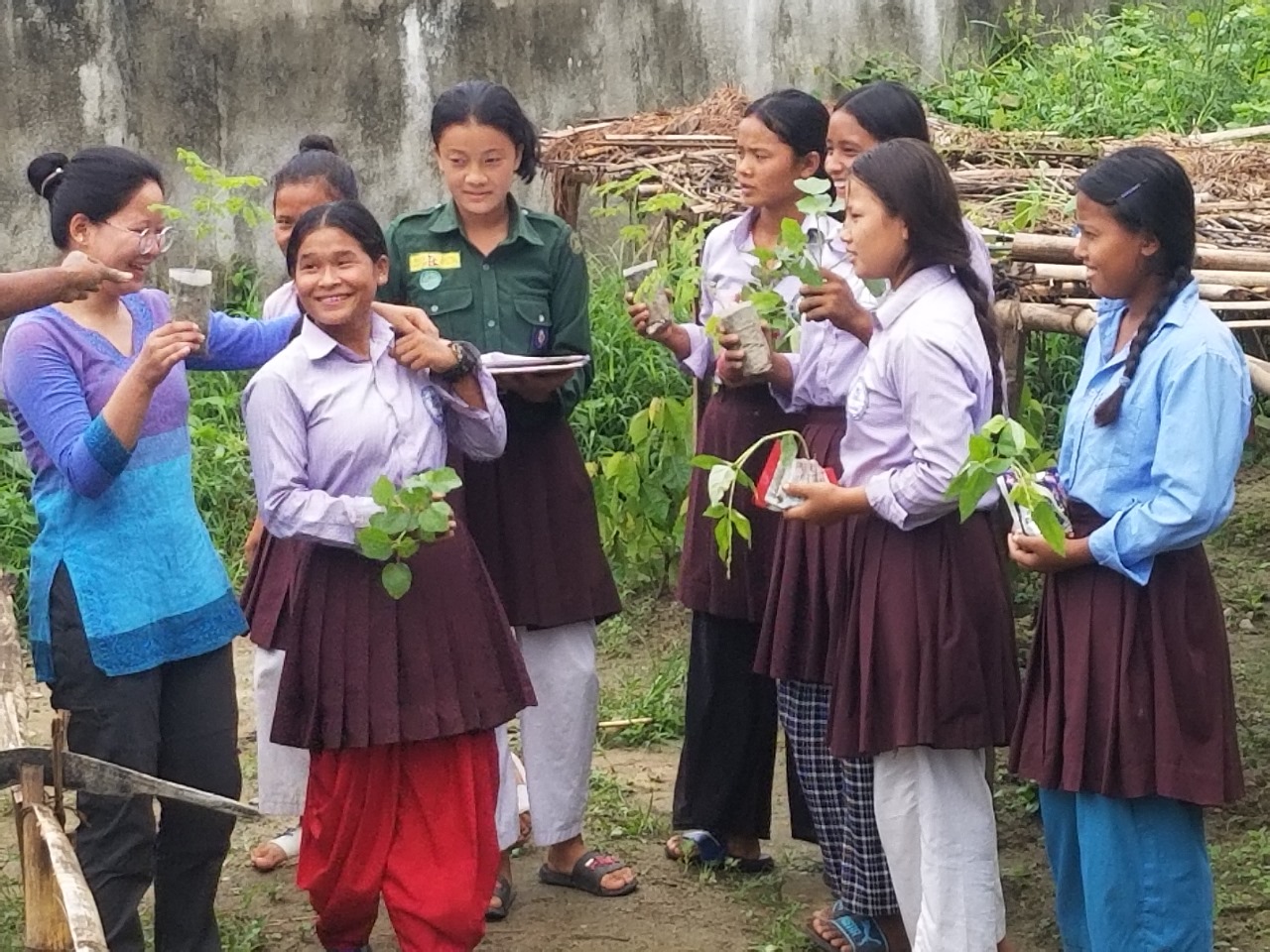
The project directly addresses climate justice by eliminating the disproportionate time and labor burden on women and girls associated with fuel gathering. This initiative supports a just transition by delivering profound public health benefits (SDG 3) and enhancing local ownership through extensive training and capacity building.
Verified Carbon Integrity & Article 6.2 Ambition
This project is designed as a standalone mitigation activity with the ambition to be registered as an Article 6.2 cooperative approach. The primary verifiable outcome is the generation of high-quality carbon credits from the avoidance of non-renewable biomass combustion for water purification.
Project Metrics: Strategic Impact Summary
| Metric | Target Impact | Strategic Goal |
|---|---|---|
| Technology | RWH & Biosand Filters | Non-Renewable Biomass Displacement |
| Mitigation Focus | Avoidance of Wood Burning | Article 6.2 Compliance |
| Social Dividend | Liberation of time for women | Just Transition |
| Focus Scale | 5 Schools | Nepal Carbon Markets |
The Sustainable Water Management Initiative represents a definitive shift in non-renewable biomass displacement technology, projected to mitigate significant GHG emissions over a 10-year cycle. By institutionalizing the avoidance of wood burning through a digital Monitoring, Reporting, and Verification (dMRV) framework, we deliver Article 6.2 ambition that de-risks climate finance while accelerating social equity for women and girls in Nepal.